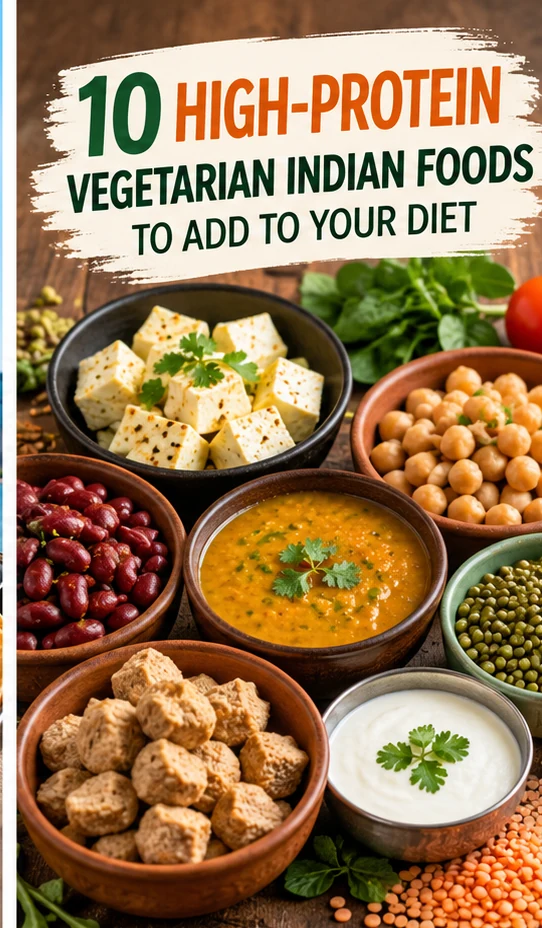

You don't need chicken, fish or meat at every meal to get protein.
Indian vegetarian cuisine contains a surprisingly wide selection of protein-rich ingredients. The trick is knowing which foods contribute meaningful amounts of protein and combining them intelligently throughout the day.
If you're vegetarian and trying to increase your protein intake, these are 10 Indian-friendly foods worth putting on your plate regularly.
Why Is Protein Important?
Protein is used throughout the body and contributes to the maintenance and growth of muscle and other tissues.
It can also make meals more satisfying.
For vegetarians, the goal shouldn't be to find one magical high-protein food.
A better strategy is to include protein in multiple meals throughout the day.
Indian cuisine makes that relatively easy because dals, beans, dairy and soya can all fit naturally into traditional recipes.
1. Paneer
Paneer is probably India's best-known vegetarian protein food.
Made from milk, it can contribute significant protein while fitting into dozens of Indian recipes.
Popular dishes include:
Palak paneer
Kadai paneer
Paneer bhurji
Paneer tikka
Matar paneer
One thing to remember is that paneer can also be calorie-dense depending on the variety and preparation method.
A grilled paneer dish is very different from paneer swimming in a restaurant-style cream sauce.
2. Soya
Soya is one of the strongest protein options available to vegetarians.
Soya chunks and soya chaap have become increasingly popular in Indian cuisine because they can absorb spices and marinades extremely well.
Try soya as:
Soya bhuna
Soya curry
Soya tikka
Soya chaap
Soya keema-style preparations
For vegetarians who enjoy a firmer, meatier texture, soya can add both variety and protein.
3. Moong Dal
Moong dal is easy to incorporate into regular meals and works well with rice or whole-wheat roti.
It can be prepared as traditional dal, khichdi, cheela or sprouts.
Because it combines protein and fibre, it can also make a meal more filling.
4. Chickpeas
Chickpeas—or chana—are one of the most versatile vegetarian staples.
Chana masala is the obvious example, but chickpeas can also be used in salads, chaats and bowls.
Pair chana with vegetables and roti and you've already built the foundation of a satisfying vegetarian meal.
5. Rajma
Few Indian comfort foods can compete with rajma.
Kidney beans provide plant protein along with fibre.
Rajma is traditionally eaten with rice, but people trying to modify their carbohydrate intake can also enjoy it with roti, salad or vegetables.
The important point is that the humble rajma deserves recognition as more than comfort food.
It's also a valuable vegetarian staple.
6. Masoor Dal
Red lentils are inexpensive, versatile and quick to cook.
Masoor dal works especially well as an everyday food because its flavour can be changed dramatically using different tadkas and spices.
Rotating between masoor, moong, toor and other dals is an easy way to keep a vegetarian diet varied.
7. Greek Yogurt or Dahi
Dahi can complement Indian meals without requiring another cooked dish.
If protein is a priority, higher-protein yogurt varieties such as Greek yogurt can be particularly useful.
Add yogurt alongside dal, sabzi and roti, or make raita with cucumber and vegetables.
Just check the nutrition label because protein content varies considerably between products.
8. Milk
Sometimes the simplest foods get overlooked.
Milk contributes protein and can be easily incorporated into breakfast, tea, smoothies or other meals.
Again, the exact nutrition depends on the type and quantity consumed.
9. Mixed Lentils
You don't need to stick to a single dal.
Mixed-dal recipes allow you to combine different lentils and textures in one dish.
They are also a useful way to prevent the "dal again?" feeling that can happen when someone starts intentionally eating more legumes.
Change the lentils. Change the tadka. Change the vegetables.
Same basic ingredient category—completely different meal.
10. Peas
Green peas do not compete with soya or paneer as a concentrated protein source, but they can still contribute additional plant protein to a meal.
Indian cuisine makes them extremely easy to include:
Matar paneer
Aloo matar
Mixed vegetables
Matar mushroom
Pulao
Small contributions from different ingredients add up over the course of a day.
How to Make an Indian Vegetarian Meal Higher in Protein
Here's where things become practical.
Imagine your meal is simply:
Aloo sabzi + roti + rice.
There is nothing inherently wrong with it, but it isn't particularly protein-focused.
Now modify it:
Aloo gobi + moong dal + whole-wheat roti + Greek yogurt.
Or:
Bhindi + chana masala + roti + salad.
Or:
Palak paneer + mixed dal + vegetables.
The meal still looks and tastes thoroughly Indian.
You've simply made protein a more deliberate part of the plate.
Don't Forget Vegetables and Fibre
High protein shouldn't mean eating paneer and soya all day while ignoring everything else.
A good meal still needs diversity.
Vegetables contribute fibre, vitamins, minerals and variety. Whole grains and legumes bring additional nutrients. Different foods contribute different things.
That's why the traditional Indian combination of dal + sabzi + roti remains such a useful template.
The ingredients can change while the basic structure remains.
What About Protein Supplements?
Protein powders can be convenient, particularly for people with high protein requirements.
But they don't need to replace normal food.
For many people, the first step should simply be examining everyday meals.
Can you add dal?
Can you choose chana instead of another potato-based side?
Can you include paneer or soya?
Can you add yogurt?
Those small decisions can materially change the protein content of your overall diet.
Building Better Vegetarian Tiffins
A vegetarian tiffin shouldn't simply be carbohydrates packed into several containers.
For a more balanced meal, look for variety across the week:
Legumes: dal, rajma, chana
Higher-protein vegetarian foods: paneer, soya
Vegetables: bhindi, gobi, palak, lauki, methi and more
Grains: whole-wheat roti and rice
Optional additions: salad, yogurt and other protein-rich sides
The goal isn't perfection in every single container.
It's a better eating pattern across the entire week.
Healthy Vegetarian Indian Meals at Pure Veg Tiffin
At PureVegTiffin.com, we believe vegetarian food should offer much more than potatoes and rice.
Our changing weekly menus incorporate Indian dals, beans, paneer, soya and a broad range of vegetables alongside freshly prepared homestyle meals.
Customers who want to make their meals more health-focused can also explore our healthy vegetarian add-ons and choose portions appropriate for their appetite.
Vegetarian eating can be flavourful, satisfying and protein-conscious at the same time.
You don't have to stop eating Indian food to eat better.
Sometimes you simply need to build a better Indian plate.